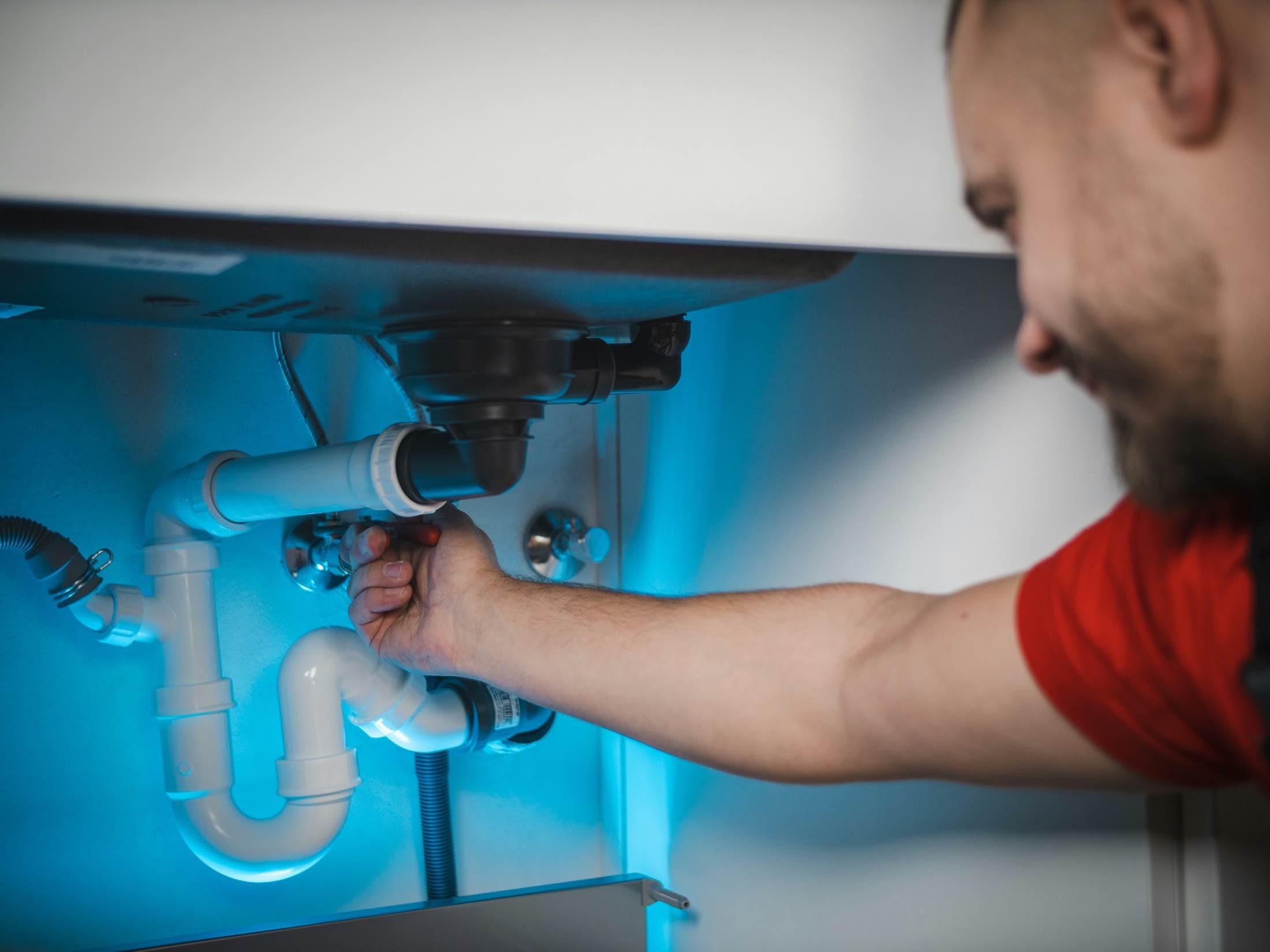
Residential plumbing · Metro Detroit
Drain and Sewer Services for Established Homes
Slow and blocked drains cleared, and recurring main-line problems located and explained.
Overview
Drain & Sewer Services, Explained.
A single slow sink is usually a local matter: hair, soap and debris gathered in a trap or a short branch line. A drain problem that moves around the house, or returns weeks after it was cleared, is a different thing. It usually points to the main building drain or the sewer lateral that carries everything from the house to the street.
Many Metro Detroit homes, from postwar ranches to older colonials, sit on established lots with mature trees and drain lines that may be decades old. Roots, settled joints and older pipe materials all play a part. That said, a single slow kitchen or bathroom drain is a perfectly reasonable thing to call about on its own. Clearing a blockage restores flow; understanding why it formed is what prevents the next one. A drain visit is approached with both in mind.
The visit
Drain & Sewer Services: What the Visit Involves
- 01
Establish the pattern
Which fixtures are affected, and which are not, tells us a great deal about where the restriction sits. We map that before choosing a cleanout or a method.
- 02
Clear from the right access point
Lines are cleared through an existing cleanout wherever possible, rather than by pulling a toilet or working through a fixture. Floors and nearby finishes are covered before any cable enters the line.
- 03
Understand the cause
What comes back on the cable, roots, grease or paper, is examined and explained. Where a recurring or structural problem is suspected, a camera inspection of the line may be the sensible next step.
- 04
Recommend next steps
You receive a plain account of the line’s likely condition and the options, from routine maintenance clearing to sectional repair, with what each would involve for the house and grounds.
Are chemical drain cleaners safe to use?
They are best avoided. Caustic drain openers can generate heat and react with older metal pipe, damage some finishes if they splash, and often only partially clear a blockage, leaving harsh chemicals sitting in the trap for whoever opens it next. For a recurring slow drain, mechanical cleaning of the trap or line removes the material rather than burning a hole through it.
Why does water come up in the basement floor drain?
The floor drain is usually the lowest opening on the building drain, so when the main line is restricted, water from fixtures above has nowhere to go and rises there first. It is a strong indication that the blockage is in the main line or lateral, rather than in an individual fixture. Stopping use of water upstairs until the line is cleared limits the amount that backs up.
What is a sewer camera inspection, and when is it worth doing?
A small waterproof camera is pushed through the line from a cleanout, recording the pipe’s interior: joints, root intrusion, cracks, sags where water collects, and changes in pipe material. It is most useful after repeated backups, before a major repair decision, or when buying an older home. It turns a guess about the line’s condition into something you can see.
How do tree roots get into a sewer line?
Roots seek moisture, and a sewer line gives off warmth and vapor through any small gap at a joint or crack. Fine roots enter, find water and nutrients, and thicken over time into a mass that catches paper and debris. Older clay and cast iron lines with many joints are particularly prone. Clearing removes the roots inside; sealing or replacing the joint is what keeps them out.
Related services
Often Considered Alongside
-

Sump Pumps
Sump pump repair and replacement, with backup options and alarms discussed for finished lower levels. Explore -
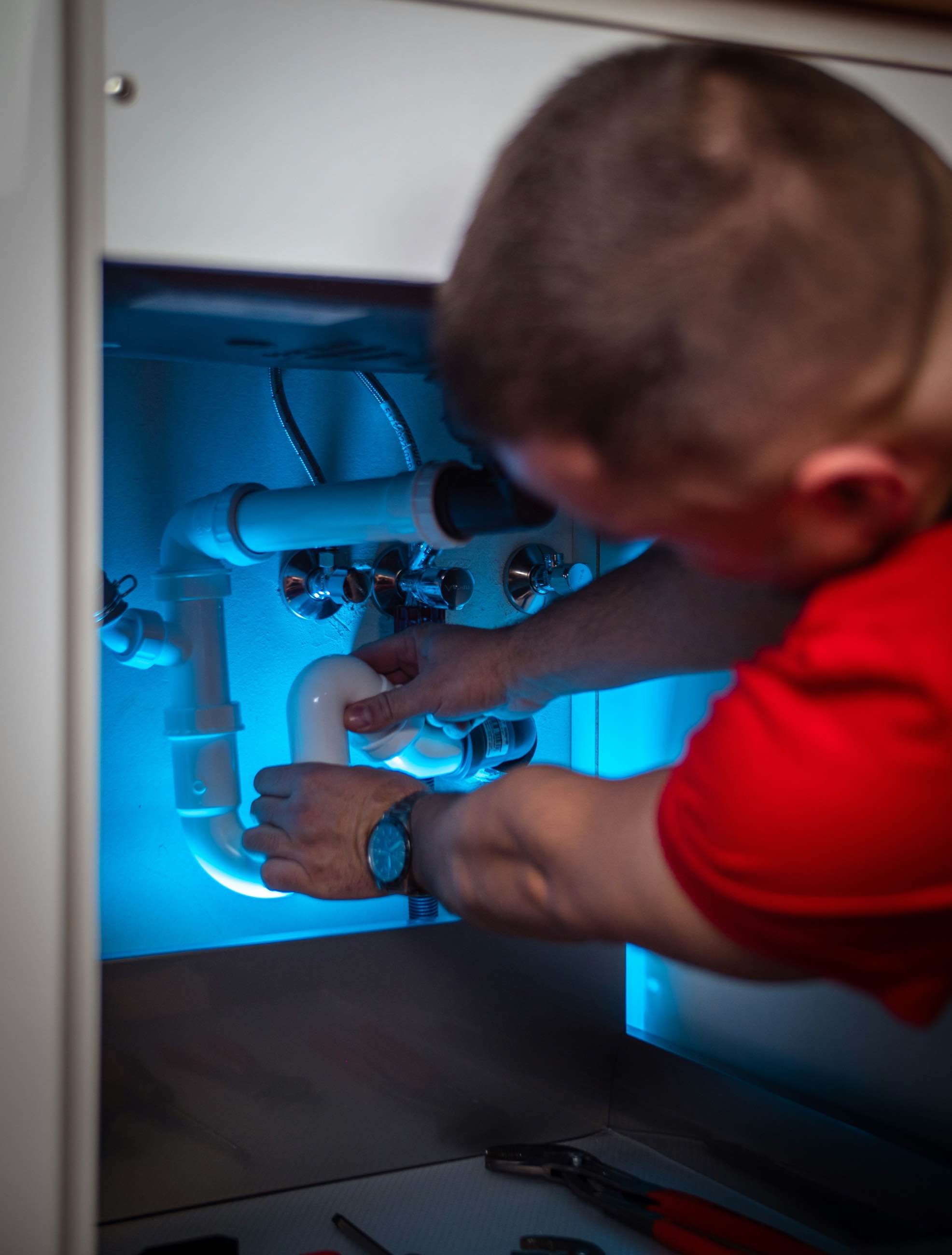
Plumbing Repair
Leaks, running toilets, low pressure and tired valves — traced to the cause and put right with care. Explore -
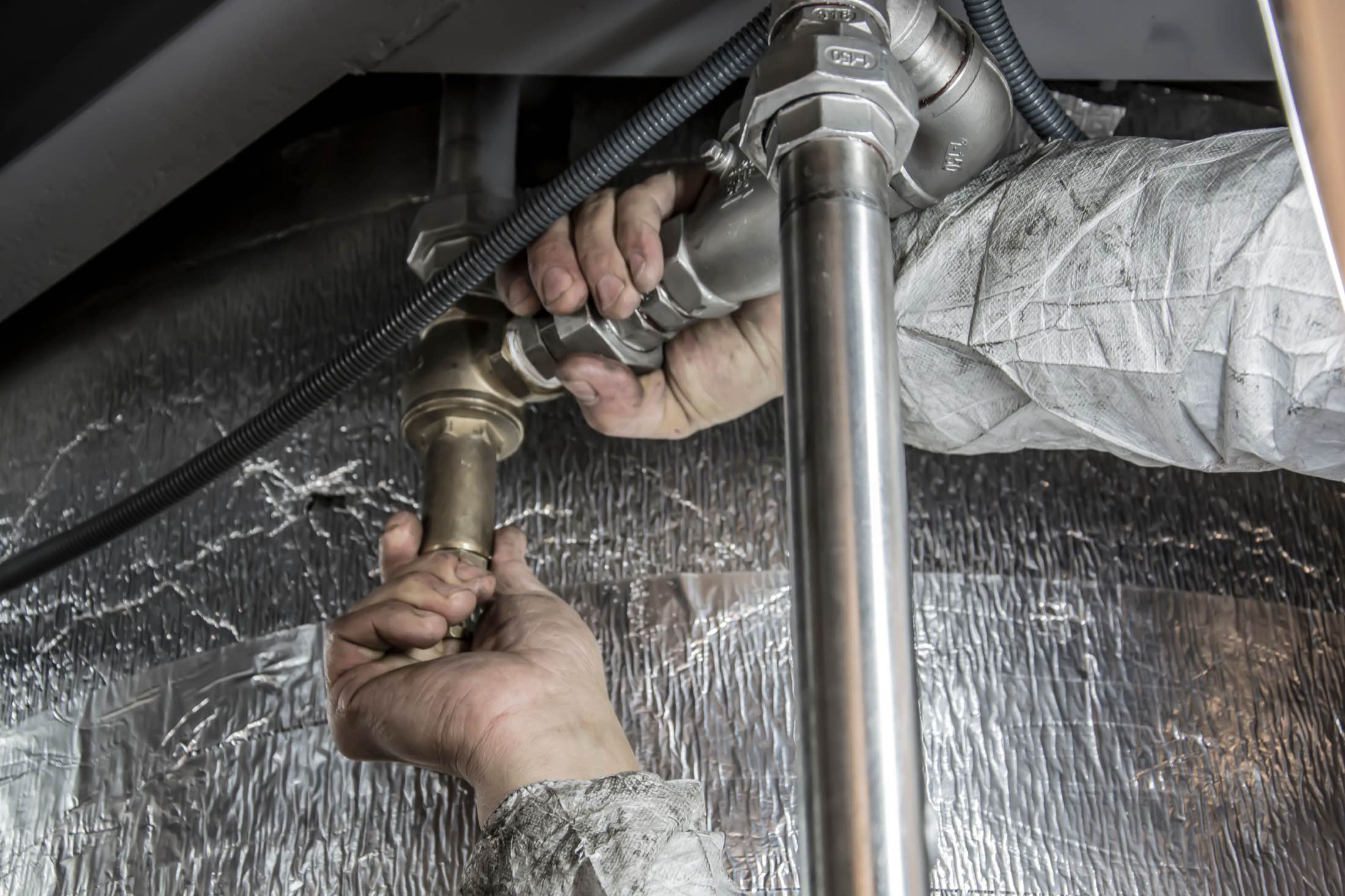
Residential Repiping
Planned replacement of aging supply lines, with access and wall restoration coordinated from the start. Explore
Service areas
Drain & Sewer Services Across Our Priority Communities
Request a visit
Ask About Drain & Sewer Services.
Tell us a little about what is happening and when suits you — a running toilet or a water heater that quit is as welcome as a remodel. We will be in touch to arrange a visit.
- PhonePhone line coming soon
- ServingResidential homes across Metro Detroit