
Residential plumbing · Metro Detroit
Tankless Water Heaters, Planned Around the Home
On-demand hot water, with gas supply, venting and maintenance assessed honestly before installation.
Overview
Tankless Water Heaters, Explained.
A tankless water heater heats water only as it is drawn, rather than keeping a reservoir hot. For many households that means hot water that does not run out during a long bath or a busy morning, and a compact unit on the wall in place of a tank on the floor. It also means a different set of requirements, and those deserve attention before any purchase.
The most important questions are rarely about the heater itself. Can the gas supply deliver what a high-output burner needs while the furnace, range and fireplace also run? Where will the vent terminate, and where will condensate drain? How hard is the water? We work through those questions first, so a tankless system is chosen because it suits the home, not in spite of it.
The visit
Tankless Water Heaters: What the Visit Involves
- 01
Survey the gas supply
Tankless burners draw far more gas at full fire than a tank heater. We look at the meter, pipe sizes and lengths, and the other gas appliances in the home to judge whether the supply is adequate.
- 02
Plan venting and condensate
Condensing units vent through plastic pipe that must terminate at a suitable point on an outside wall or roof, and they produce acidic condensate that needs a drain, often with a neutralizer.
- 03
Match output to demand
Sizing is based on simultaneous flow and incoming water temperature. Michigan groundwater is cold in winter, which reduces how many fixtures a given unit can serve at once. We size for that season, not summer.
- 04
Install and set up service access
Isolation valves with service ports are fitted so the heat exchanger can be descaled later without cutting pipe. The unit is commissioned, tested at several flow rates and its settings explained.
Will a tankless heater give us unlimited hot water?
It will keep producing hot water as long as the demand stays within its capacity, so it will not run out the way a tank does. What it cannot do is supply more flow than it is sized for. If several showers, a tub and the dishwasher run at once in January, a single unit may not keep up, and the water will cool or flow will drop. Sizing to realistic winter demand is what prevents that.
Why does a tankless heater need descaling?
As water is heated, minerals such as calcium come out of solution and deposit on the hottest surfaces, which in a tankless heater means the narrow passages of the heat exchanger. Over time scale reduces heat transfer and can trigger error codes or overheating. Descaling circulates a mild solution through the unit via its service valves. How often it is needed depends largely on water hardness and usage.
Why does the water go cold briefly in the middle of a shower?
Often called a cold-water sandwich, this happens when hot water is used, stopped briefly, then used again. The water sitting in the pipes is hot, but the heater needs a moment to fire again, so a slug of cooler water passes through. It is a characteristic of many tankless systems rather than a fault. Recirculation or a small buffer tank can reduce it where it is bothersome.
Can our existing gas line run a tankless heater?
Sometimes, but it should not be assumed. A tankless heater can require several times the gas of a typical tank heater at full output, and a line sized for the old heater may starve it, causing poor performance or error codes. The answer depends on the meter capacity, the pipe diameter and length, and what else is on the line. That is measured and calculated before a unit is recommended.
Related services
Often Considered Alongside
-
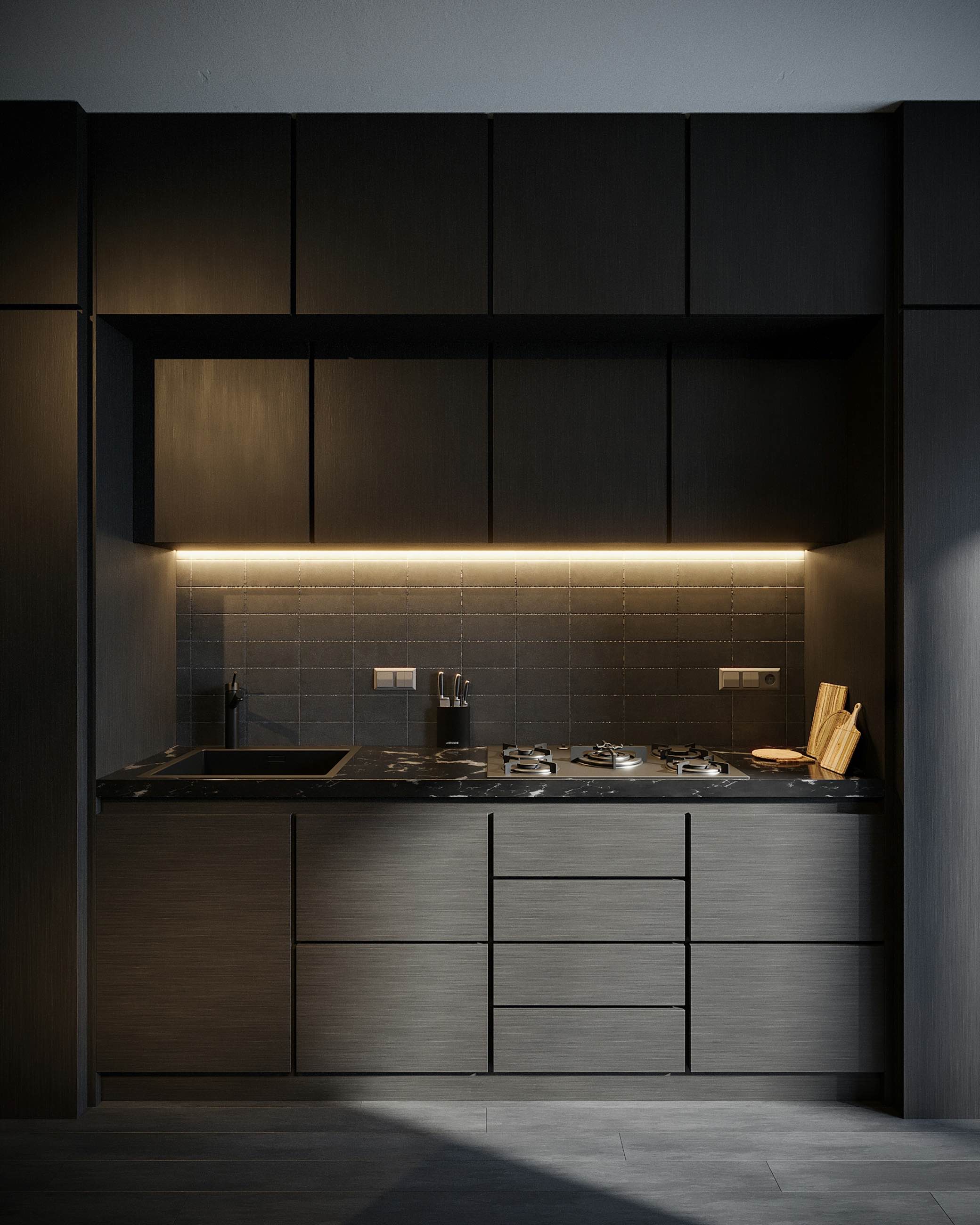
Water Heater Installation & Replacement
Conventional tank water heaters repaired or replaced, sized to how the household actually uses hot water. Explore -
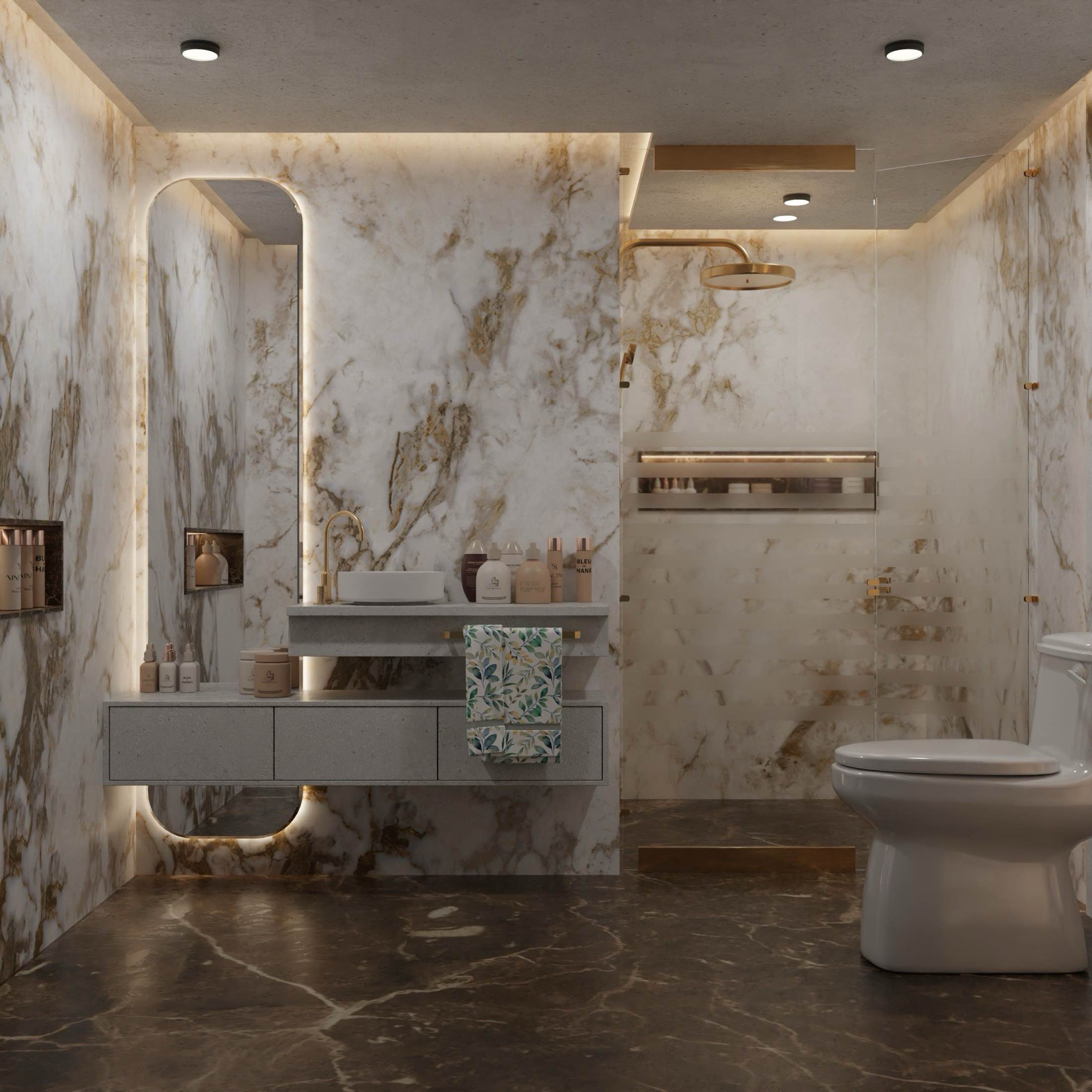
Fixture Installation
Faucets, shower systems, tubs and toilets installed with care, from a simple swap to a piece chosen for a remodel. Explore -
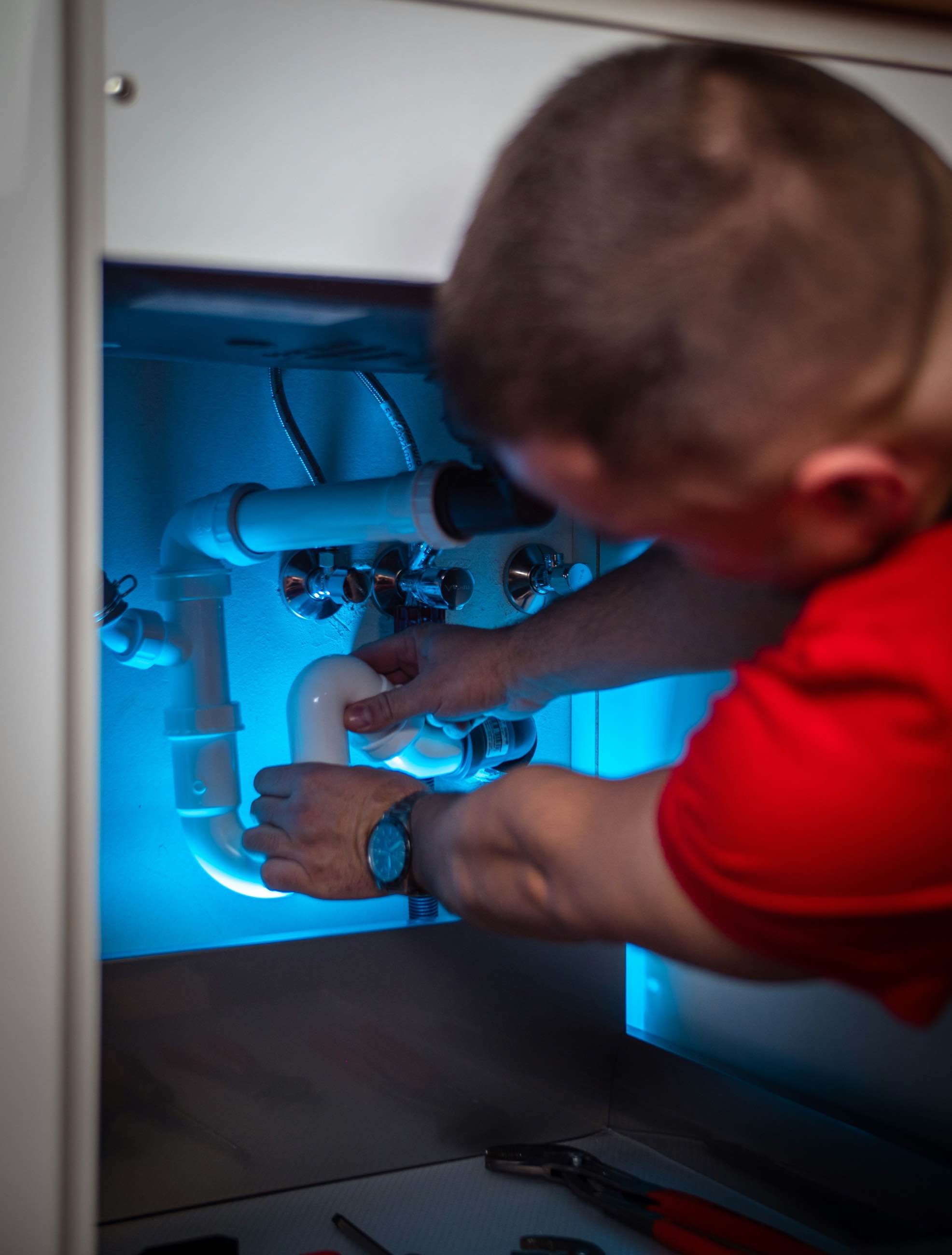
Plumbing Repair
Leaks, running toilets, low pressure and tired valves — traced to the cause and put right with care. Explore
Service areas
Tankless Water Heaters Across Our Priority Communities
Request a visit
Ask About Tankless Water Heaters.
Tell us a little about what is happening and when suits you — a running toilet or a water heater that quit is as welcome as a remodel. We will be in touch to arrange a visit.
- PhonePhone line coming soon
- ServingResidential homes across Metro Detroit