
Residential plumbing · Metro Detroit
Water Heater Installation and Replacement
Conventional tank water heaters repaired or replaced, sized to how the household actually uses hot water.
Overview
Water Heater Installation & Replacement, Explained.
A tank water heater is one of the hardest-working appliances in a home and one of the least visited. It sits in a mechanical room heating and holding water around the clock, slowly accumulating sediment and wearing through its protective anode. Most give some warning before they fail, and a planned replacement is far easier on a home than an unplanned one.
We treat a water heater as a small system rather than a single appliance. The tank, its venting, the gas or electrical supply, the temperature and pressure relief valve, the expansion tank and the shut-offs all affect how safely and reliably it runs. A replacement visit looks at each, so the new heater is installed into an arrangement that suits it. If yours has already quit, the same checks still happen, and a like-for-like replacement is often the most practical way to restore hot water.
The visit
Water Heater Installation & Replacement: What the Visit Involves
- 01
Assess the existing heater
We note the tank’s age, capacity and fuel, then check for leaks, corrosion at the fittings, sediment noise, the condition of the relief valve and how the flue or vent is drafting.
- 02
Repair or replace
Some problems are worth repairing: a thermocouple, a gas control, a heating element or a relief valve. Others, such as a leaking tank, are not. We explain which situation you are in and why.
- 03
Size and specify
If replacement makes sense, capacity and recovery are matched to the household: the number of baths, any large soaking tubs or body sprays, and how many people draw hot water at once.
- 04
Install and commission
The new heater is connected, vented and filled, the relief valve and expansion tank are checked, the temperature is set with you, and the old unit is removed from the home.
Questions homeowners ask
Water Heater Installation & Replacement: Questions Homeowners Ask
All questionsHow long should a tank water heater last?
Tank water heaters commonly last somewhere around 8 to 12 years, though that range varies widely with water quality, sediment, how hard the heater works and whether it has been maintained. The anode rod, which corrodes so the tank lining does not, plays a large part. A heater with a spent anode and years of sediment can fail well before that range; one that has been looked after may outlast it.
What is the temperature and pressure relief valve, and should I test it?
The T&P relief valve is a safety device that opens if the water in the tank becomes too hot or the pressure too high, releasing it through a discharge pipe rather than letting the tank fail. It should never be capped or plugged.
Testing it by lifting the lever is commonly recommended, but an older valve may not reseal afterward. If yours has not been touched in years, it is reasonable to have it checked during a service visit.
Should a water heater be flushed?
Draining some water from the bottom of the tank periodically can remove loose sediment, which otherwise collects on the bottom, insulates the water from the burner and causes the rumbling many people hear. How often depends on how hard the local water is. On a tank that has never been flushed, sediment may be compacted, and the drain valve may clog or leak once opened, so a first flush on an older heater is worth doing carefully.
Why is there water coming from the pipe on the side of the tank?
That pipe is the discharge line from the relief valve. Occasional dripping often points to thermal expansion, particularly if there is no expansion tank or the existing one has lost its air charge. Steady flow can indicate excessive temperature or pressure, or a relief valve that is no longer sealing. In either case, it is a sign to have the heater looked at rather than something to redirect into a bucket and ignore.
Related services
Often Considered Alongside
-

Tankless Water Heaters
On-demand hot water, with gas supply, venting and maintenance assessed honestly before installation. Explore -
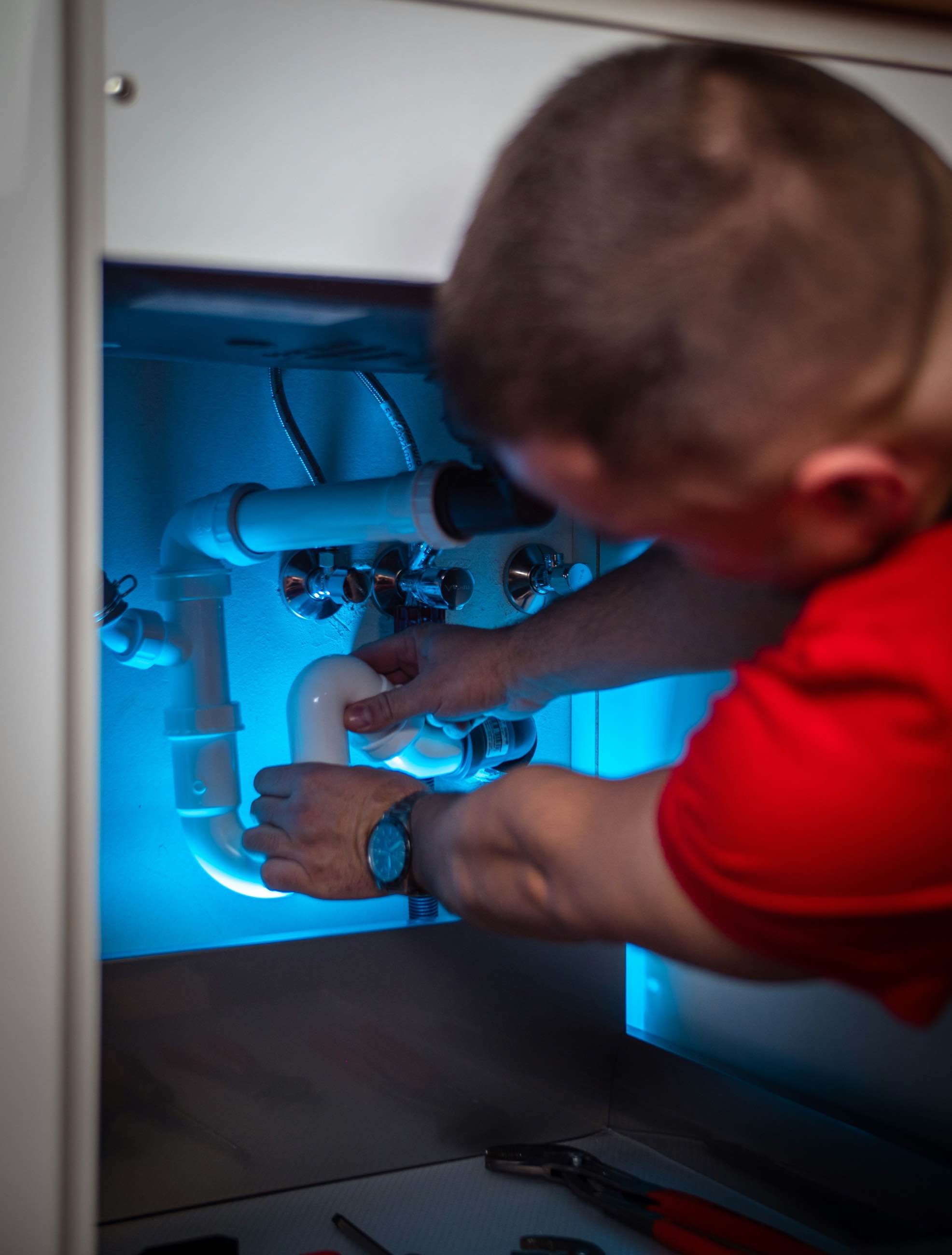
Plumbing Repair
Leaks, running toilets, low pressure and tired valves — traced to the cause and put right with care. Explore -
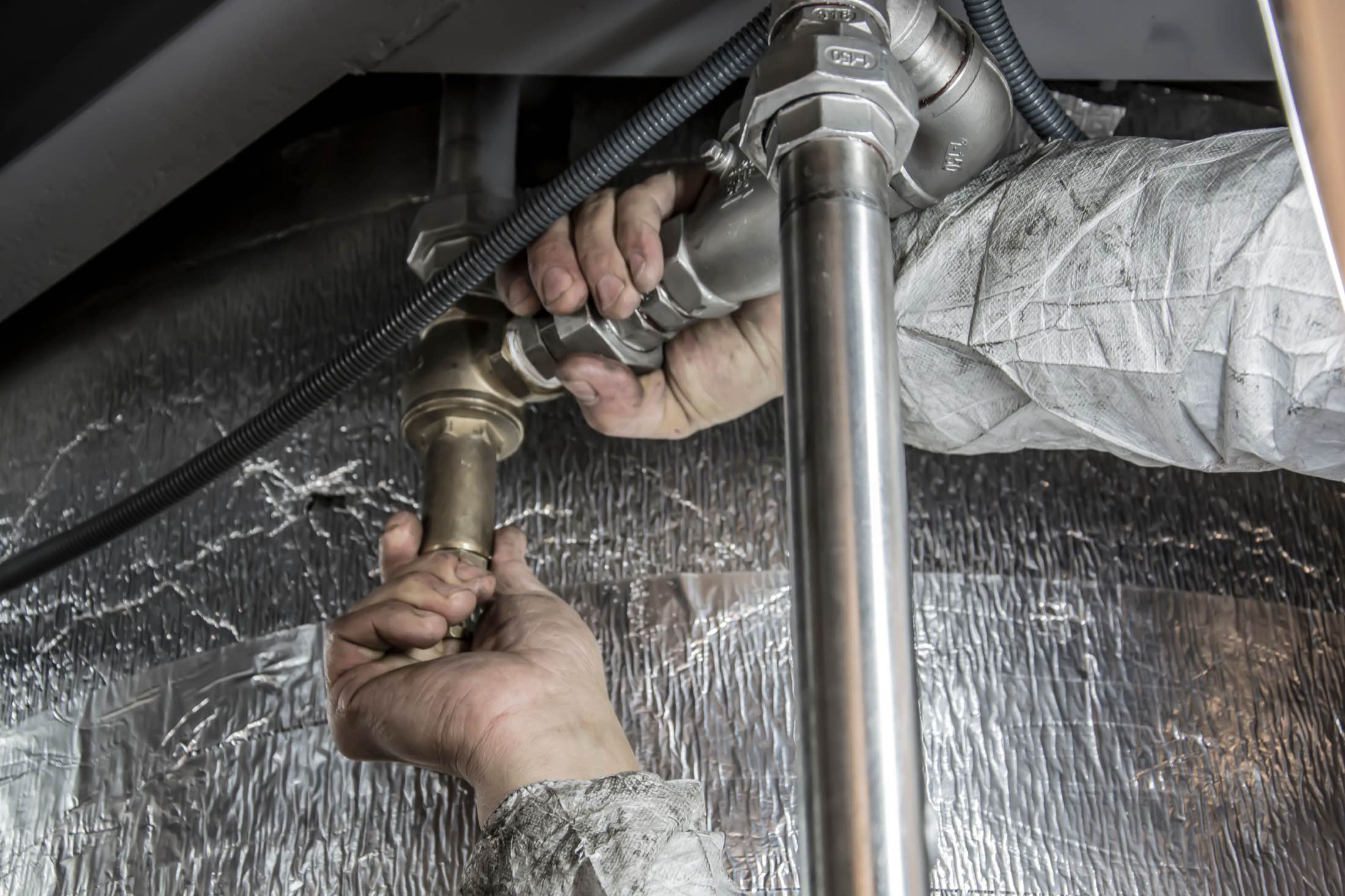
Residential Repiping
Planned replacement of aging supply lines, with access and wall restoration coordinated from the start. Explore
Service areas
Water Heater Installation & Replacement Across Our Priority Communities
Request a visit
Ask About Water Heater Installation & Replacement.
Tell us a little about what is happening and when suits you — a running toilet or a water heater that quit is as welcome as a remodel. We will be in touch to arrange a visit.
- PhonePhone line coming soon
- ServingResidential homes across Metro Detroit